Echinacea purpurea (Purple Coneflower) Unity Grown
- In Stock
- Inventory on the way
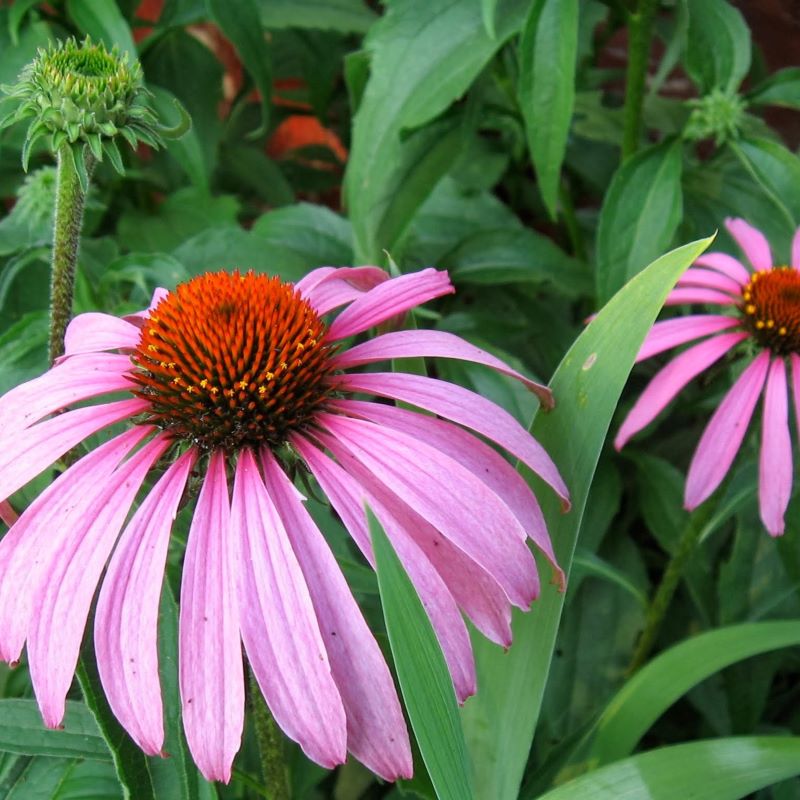
A classic native perennial, Echinacea purpurea, also called purple coneflower, is a popular, upright wildflower that blooms profusely from mid summer to fall. A versatile and adaptable choice for a variety of home gardens, purple coneflower attracts butterflies, hummingbirds, and a variety of birds and bees. Growing best in full sun to part shade, Echinacea purpurea can be used in meadows, prairies, perennial beds and borders, and even forest edge environments, and they also work great for cut flower arrangements. Already known as a classic native wildflower, Echinacea purpurea also ranked 3.6 out of 5 possible points in Mt. Cuba Center's Trial Gardens for its attractiveness to pollinators and adaptability to various conditions.
Typically growing 2-4' tall in small clumps to about 18-24" wide, purple coneflower freely self-seeds and can become aggressive spreader over time if not thinned out. However, if you're looking to do a large-scale pollinator garden or meadow rehabilitation project, this spread tendency to spread can be a great asset, care should just be taken when planting in small spaces. Echinacea purpurea is drought and deer tolerant, thrives in dry to medium moisture, well drained soils, and can tolerate rocky, sandy, nutrient poor, and clay-rich soils. Spent flowers can be deadheaded to promote additional blooms, though dead flowers can also be left to provide seed for birds. Plants that spread too much for their own space can be thinned out or divided for propagation in early spring or fall.