Eurybia divaricata (Aster divaricatus) (White Wood Aster)
- Low stock - 1 item left
- Inventory on the way
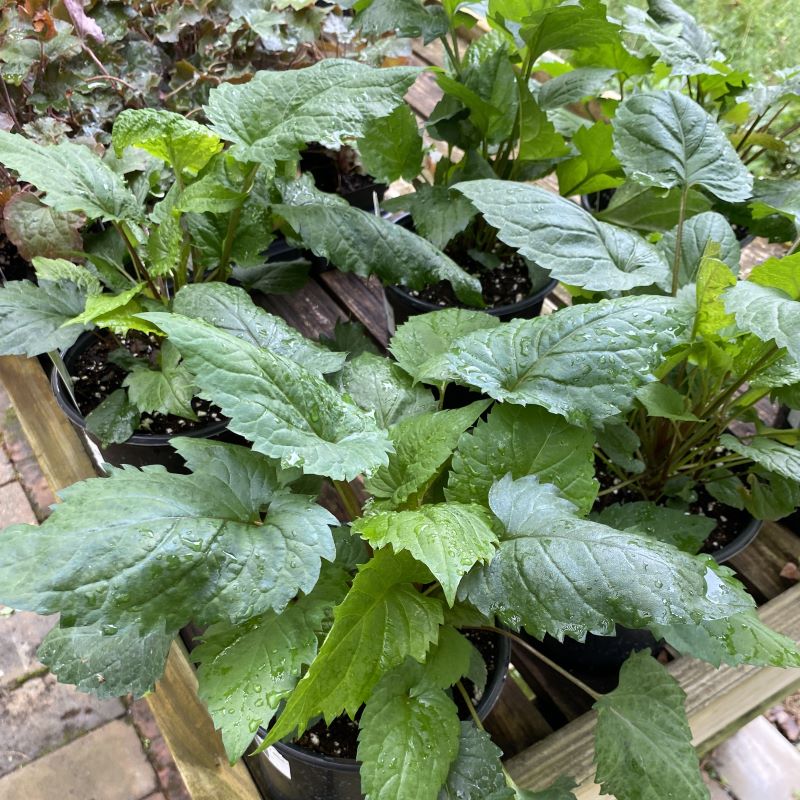
Eurybia divaricata (syn. Aster divaricatus), often referred to as white wood aster, is a native, clump-forming perennial wildflower indigenous to most of northeastern North America. This species of aster is among the first to bloom in late summer, and its small, white flowers last until early autumn. In its natural habitat, Eurybia divaricata grows in woodlands, meadows, and near bodies of water to between 18" and 3 feet tall; in the garden, this means a lot of pollinator appeal in a compact area, as long as the aster is provided with medium to moist soil.
With such a variety of wilderness growing locations, white wood aster is capable of growing very well in shade and partial shade conditions, with large basal leaves catching all the light the plant needs even in deeply shaded spots. Like many asters, Eurybia divaricata provides a valuable food source for pollinators in the later months of summer and fall, and their persistent seed heads are eaten by migratory birds through the late fall and into the winter. While seed heads are beneficial to birds and can promote easier spread of Eurybia divaricata into more dense colonies, spent flowers can be deadheaded to promote ornamental value.